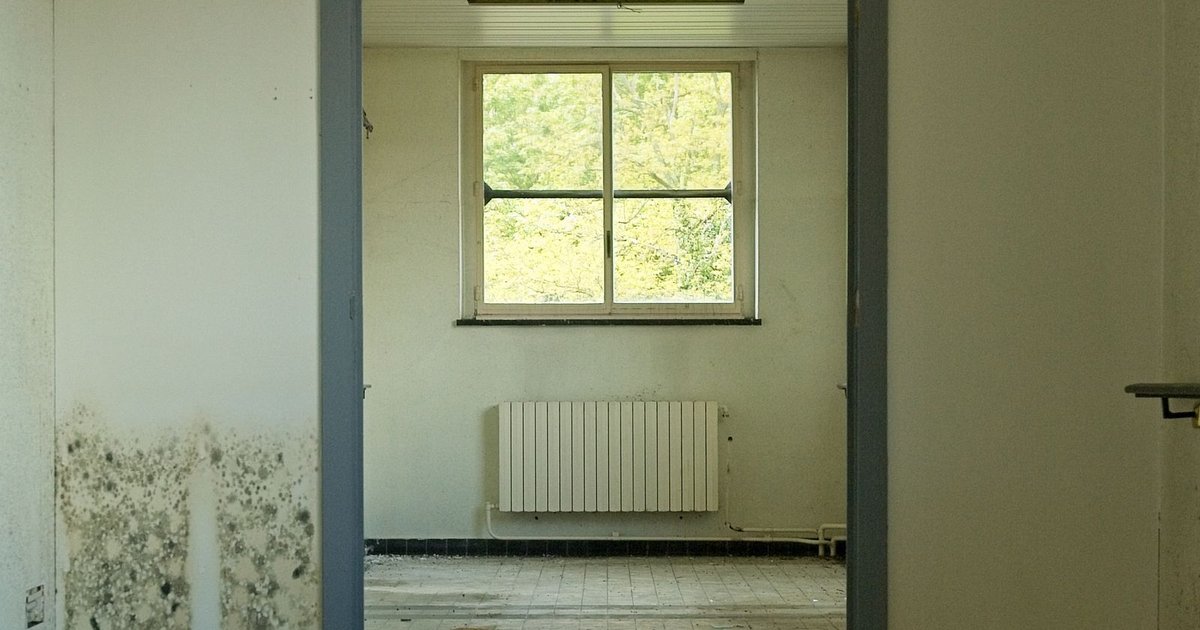
Water damage compounds fast. Drywall wicks moisture upward within hours, mould can begin developing within 24–48 hours in the right conditions, and the difference between calling for help immediately and waiting until morning can be the difference between drying out a wall and replacing it. Here's what to do while you wait for a restoration crew.
1. Stop the source, if it's safe to
If it's a burst supply line or a failed appliance connection, shut off the water at the fixture or the main. If the water is anywhere near an electrical outlet, panel, or appliance, don't touch it — shut off power at the breaker instead, and only if you can reach the panel without stepping through water.
2. Get water off the floor
A wet-dry shop vac, towels, or a mop can remove surface water in the first hour and meaningfully reduce how far it spreads into baseboards, subfloor, and drywall. Don't use a regular household vacuum — it's not built for standing water and is a shock hazard.
3. Move what you can, prop up what you can't
- Move furniture, rugs, and boxes off wet flooring immediately
- Lift bed frames and furniture legs onto foil or wood blocks to stop wicking
- Remove lamps, electronics, and anything on the floor in the affected room
- Hang wet curtains or fabric to dry rather than leaving them bunched
4. Get air moving, but don't seal the room
Open windows if the outdoor temperature and humidity allow it, and point any fans you have at the wettest surfaces. Don't close the door and leave the room sealed — trapped humidity is exactly what lets mould get started.
5. Photograph everything before you clean up
Insurance claims move faster with documentation. Photograph the source of the damage, the extent of the water spread, and any affected belongings before you start moving things — this is exactly the kind of record a restoration crew and your adjuster will both ask for.
6. Call for restoration — don't wait to "see if it dries on its own"
Surface-dry doesn't mean structurally dry. Moisture trapped inside drywall, subfloor, and framing needs commercial-grade air movers and dehumidifiers to fully remove — a box fan overnight won't reach it. The longer that moisture sits, the higher the chance of warping, mould, and a bigger repair bill than the original leak justified.